Introduction to Zimbabwe’s Safari Adventures: Exploring the African Wilderness
Zimbabwe is a country known for its diverse landscapes and abundant wildlife, making it a top destination for safari adventures. From the vast plains of Hwange National Park to the majestic Zambezi River, Zimbabwe offers a unique and unforgettable experience for nature lovers and wildlife enthusiasts. In addition to its natural beauty, Zimbabwe has also made significant efforts in conservation, ensuring the protection of its precious resources.
One of the highlights of a Zimbabwean safari is the opportunity to spot the Big Five – lion, leopard, elephant, buffalo, and rhino. These iconic animals can all be found in various national parks and game reserves across the country. In addition to the Big Five, visitors can also encounter giraffes, zebras, and a wide variety of antelope species. Experienced guides are available to help visitors spot and learn about these incredible animals, providing valuable insights into their behavior and habitats.
Beyond its wildlife encounters, Zimbabwe also offers a unique cultural experience. The country is home to diverse ethnic groups, each with their own traditions and customs. Visitors have the opportunity to meet local communities and learn about their way of life, creating a deeper understanding and appreciation for Zimbabwe’s rich cultural heritage. Whether it’s participating in traditional ceremonies or learning traditional crafts, these cultural experiences add an extra dimension to a Zimbabwean safari.
Wildlife Encounters: Spotting the Big Five on a Zimbabwean Safari
One of the main attractions of a Zimbabwean safari is the chance to spot the Big Five – lion, leopard, elephant, buffalo, and rhino. These animals are considered the most iconic and sought-after sightings in the African wilderness. Zimbabwe is home to a healthy population of these magnificent creatures, making it an ideal destination for wildlife enthusiasts.
Hwange National Park is one of the best places in Zimbabwe to spot the Big Five. With its vast plains and abundant waterholes, Hwange provides the perfect habitat for these animals. Lions can often be seen lounging in the shade or stalking their prey, while leopards are known to hide in the trees, waiting for the perfect moment to pounce. Elephants roam freely in large herds, and buffalo can be spotted grazing in the grasslands. Rhinos, although more elusive, can also be found in Hwange, with both black and white rhino populations present in the park.
In addition to the Big Five, Zimbabwe is also home to a wide variety of other wildlife species. Giraffes gracefully roam the savannah, their long necks reaching for the treetops. Zebras, with their distinctive black and white stripes, can be seen grazing alongside wildebeests and impalas. Antelope species such as kudu, sable, and eland are also common sightings. With the help of experienced guides, visitors can learn about these animals and their unique behaviors, gaining a deeper appreciation for the African wilderness.
The Best Time to Visit Zimbabwe for a Safari Adventure
The best time to visit Zimbabwe for a safari adventure depends on personal preferences and what you hope to experience. The country has two main seasons – the dry season and the rainy season – each offering its own unique landscapes and wildlife sightings.
The dry season in Zimbabwe runs from May to October and is considered the best time for wildlife viewing. During this time, the vegetation is sparse, making it easier to spot animals as they gather around waterholes and rivers. The lack of rain also means that animals are more concentrated in certain areas, increasing the chances of sightings. The cooler temperatures during the dry season also make it more comfortable for visitors to explore the parks and reserves.
On the other hand, the rainy season in Zimbabwe runs from November to April. While this season may not be ideal for wildlife viewing, it offers a different kind of safari experience. The landscape transforms into a lush green paradise, with flowers blooming and migratory birds arriving. The rainy season also brings the birth of many young animals, adding a touch of cuteness to the safari experience. However, it’s important to note that some roads and areas may become inaccessible during heavy rains, so it’s essential to plan accordingly.
Top Safari Destinations in Zimbabwe: National Parks and Game Reserves
Zimbabwe is home to several top safari destinations, each offering its own unique experiences and wildlife encounters. From the vast plains of Hwange National Park to the remote wilderness of Gonarezhou National Park, there is something for every safari enthusiast in Zimbabwe.
Hwange National Park is Zimbabwe’s largest and most popular park, covering an area of over 14,600 square kilometers. It is known for its diverse wildlife, including the Big Five, as well as its large population of elephants. Hwange is also home to over 400 bird species, making it a paradise for birdwatchers. The park offers a range of accommodation options, from luxury lodges to camping, ensuring that visitors can find the perfect base for their safari adventure.
Mana Pools National Park is another must-visit destination in Zimbabwe. Located along the banks of the Zambezi River, Mana Pools offers unique opportunities for walking safaris and canoeing. Visitors can explore the park on foot, accompanied by experienced guides who will lead them through the wilderness, pointing out animal tracks and sharing their knowledge of the flora and fauna. Canoeing along the Zambezi River is also a popular activity, allowing visitors to get up close to hippos, crocodiles, and a variety of bird species.
Other notable parks and reserves in Zimbabwe include Matobo National Park, known for its stunning rock formations and ancient San rock art, and Gonarezhou National Park, a remote and untouched wilderness that offers a true off-the-beaten-path safari experience. With its diverse range of national parks and game reserves, Zimbabwe has something to offer every safari enthusiast.
Planning Your Zimbabwean Safari: Choosing the Right Tour Operator
When planning a Zimbabwean safari, it’s important to choose the right tour operator to ensure a successful and enjoyable experience. Researching and selecting a reputable tour operator is crucial, as they will be responsible for organizing your itinerary, providing knowledgeable guides, and ensuring your safety throughout the trip.
When choosing a tour operator, consider factors such as their experience and expertise in organizing safaris in Zimbabwe. Look for operators who have been in the industry for a long time and have a good reputation. Reading reviews and testimonials from previous clients can also give you an idea of the quality of their services.
Another important factor to consider is the guides provided by the tour operator. Experienced and knowledgeable guides can make a huge difference in your safari experience, as they will be able to spot wildlife, provide interesting insights, and ensure your safety. Look for operators who employ qualified and experienced guides who are passionate about wildlife and conservation.
Accommodation is another important aspect to consider when choosing a tour operator. Different operators offer different types of accommodation, ranging from luxury lodges to camping. Consider your personal preferences and budget when selecting the type of accommodation that suits you best.
Lastly, don’t hesitate to ask for recommendations from friends, family, or fellow travelers who have been on a Zimbabwean safari. Their firsthand experiences and insights can be invaluable in helping you make the right choice.
Accommodation Options on a Zimbabwean Safari: From Luxury Lodges to Camping
Zimbabwe offers a range of accommodation options for safari enthusiasts, catering to different budgets and preferences. Whether you prefer the luxury of a five-star lodge or the simplicity of camping under the stars, there is something for everyone in Zimbabwe.
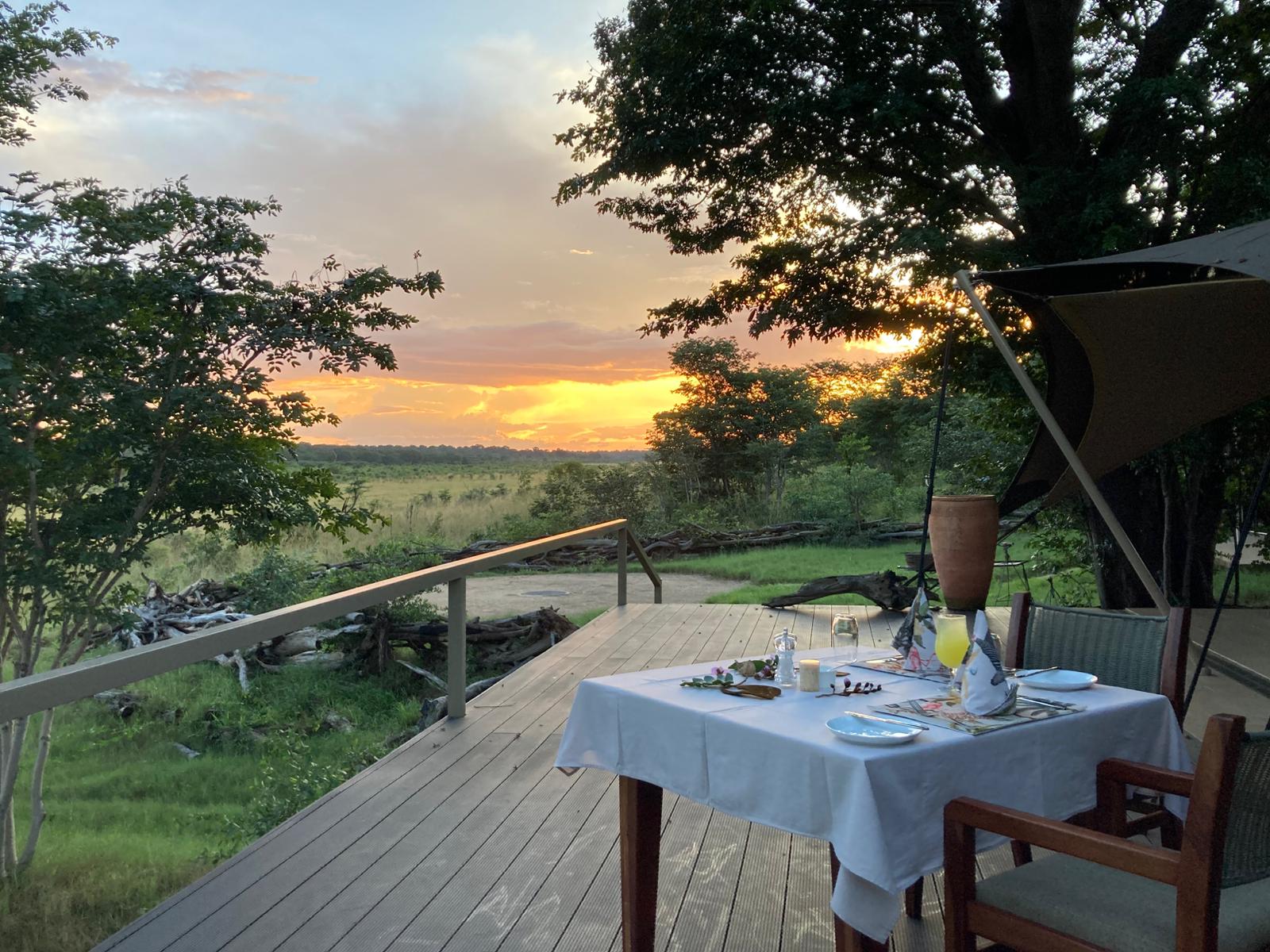
For those seeking a luxurious and indulgent experience, Zimbabwe has a number of high-end lodges and camps. These lodges offer spacious and comfortable accommodations, often with private decks or verandas overlooking the wilderness. Some lodges even offer unique experiences such as treehouses or sleeping under the stars, allowing guests to immerse themselves in the beauty of the African night sky. These luxury lodges also provide top-notch service, gourmet meals, and a range of amenities to ensure a memorable and enjoyable stay.
On the other end of the spectrum, camping is a popular and more affordable option for those who want to get closer to nature. Many national parks and game reserves in Zimbabwe have designated camping areas, where visitors can set up their tents and enjoy the sounds of the African wilderness. Camping allows for a more immersive experience, as you can wake up to the sounds of birds chirping and animals grazing nearby. However, it’s important to note that camping may not be suitable for everyone, as it requires a certain level of comfort with basic amenities and the ability to handle the outdoors.
In between luxury lodges and camping, there are also mid-range lodges and guesthouses available in Zimbabwe. These accommodations offer comfortable and affordable options for those who want a balance between comfort and budget. They provide clean and cozy rooms, often with en-suite bathrooms and basic amenities. These mid-range accommodations are a popular choice for families or groups of friends who want to experience a safari without breaking the bank.
When choosing accommodation for your Zimbabwean safari, consider your personal preferences, budget, and the type of experience you want to have. Whether it’s luxury lodges, camping, or something in between, Zimbabwe has options to suit every traveler.
Activities to Enjoy on a Zimbabwean Safari: Game Drives, Walking Safaris, and More
A Zimbabwean safari offers a range of activities to enjoy, each providing a unique and unforgettable experience. While game drives are the most common safari activity, there are also opportunities for walking safaris, canoeing, birdwatching, fishing, and cultural tours.
Game drives are the quintessential safari activity, allowing visitors to explore the national parks and game reserves in search of wildlife. These guided drives take place in open 4×4 vehicles, providing excellent visibility and the opportunity to get up close to the animals. Experienced guides will navigate through the wilderness, pointing out animal tracks and sharing their knowledge of the flora and fauna. Game drives can be done during the day or at night, with night drives offering the chance to spot nocturnal animals such as hyenas and leopards.
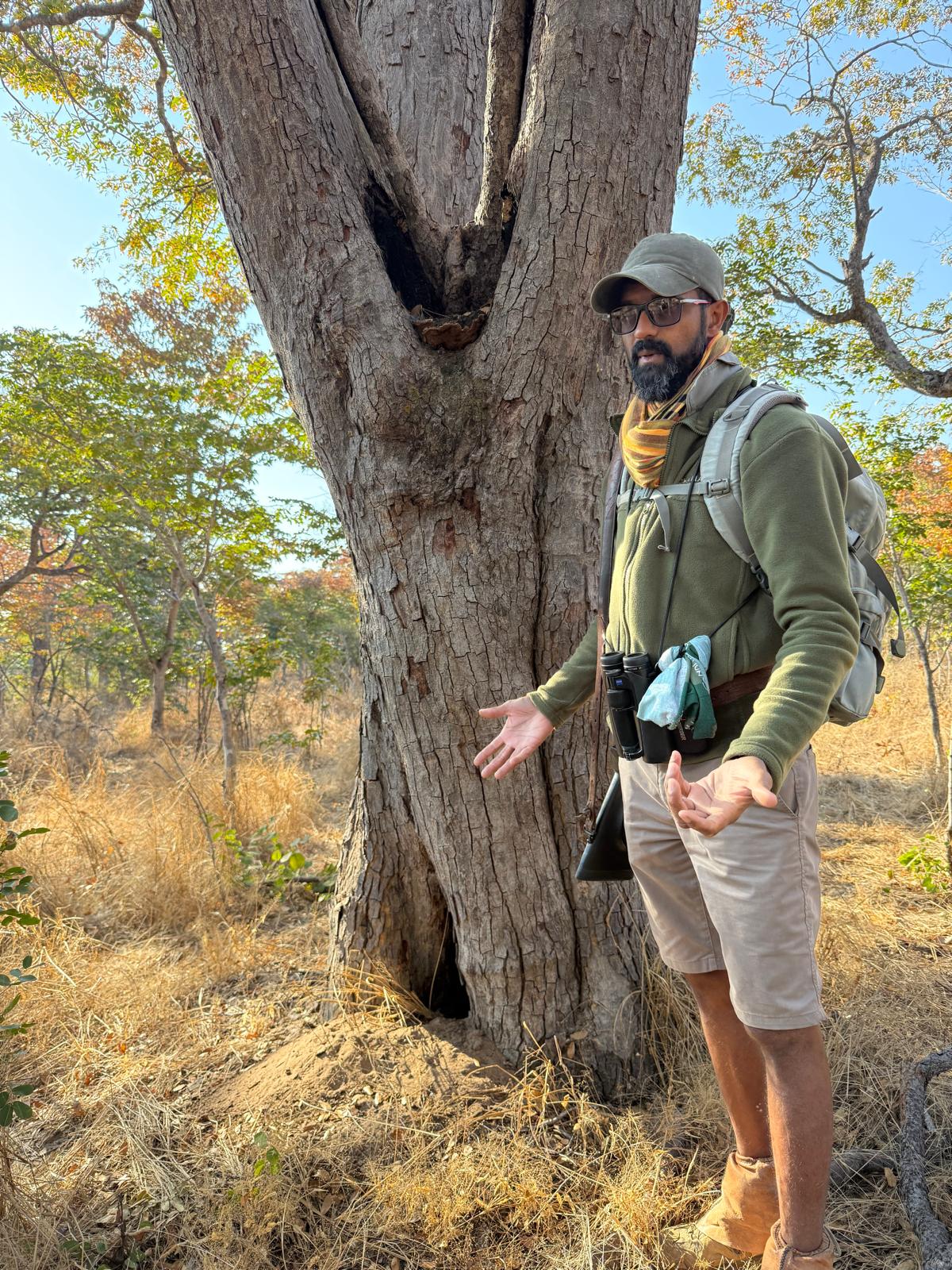
For those seeking a more immersive and intimate experience, walking safaris are a popular option. Led by experienced guides, walking safaris allow visitors to explore the wilderness on foot, getting closer to nature and experiencing the sights, sounds, and smells of the African bush. Walking safaris provide a unique opportunity to learn about animal tracks, identify different bird species, and discover the smaller creatures that often go unnoticed during game drives. It’s important to note that walking safaris require a certain level of fitness and comfort with being in close proximity to wildlife.
Canoeing along the Zambezi River is another popular activity in Zimbabwe. This allows visitors to get up close to hippos, crocodiles, and a variety of bird species, while enjoying the tranquility of the river. Canoeing safaris can range from a few hours to several days, with overnight camping along the riverbanks. It’s a unique way to experience the African wilderness and offers a different perspective on wildlife viewing.
In addition to game drives, walking safaris, and canoeing, there are also opportunities for birdwatching, fishing, and cultural tours. Zimbabwe is home to over 600 bird species, making it a paradise for birdwatchers. Many lodges and camps have resident birding experts who can guide visitors to the best birding spots and help identify different species. Fishing is also a popular activity in Zimbabwe, with the Zambezi River offering excellent opportunities for catching tigerfish and bream. Cultural tours provide a chance to meet local communities, learn about their traditions and customs, and gain a deeper understanding of Zimbabwe’s rich cultural heritage.
Conservation Efforts in Zimbabwe: Protecting the Country’s Wildlife and Ecosystems
Zimbabwe has made significant efforts in conservation to protect its wildlife and ecosystems. The country recognizes the importance of preserving its natural resources for future generations and has implemented various programs and initiatives to ensure their sustainability.
One of the key conservation efforts in Zimbabwe is anti-poaching measures. Poaching, particularly for ivory and rhino horn, poses a significant threat to the country’s wildlife populations. Zimbabwe has implemented strict anti-poaching laws and increased patrols in national parks and game reserves to combat this illegal activity. The government has also collaborated with local communities to raise awareness about the importance of conservation and the negative impacts of poaching.
In addition to anti-poaching measures, Zimbabwe has also established a network of national parks and game reserves to protect its wildlife and ecosystems. These protected areas provide a safe haven for a wide variety of species, including the Big Five. They also offer opportunities for research and monitoring, allowing scientists to study and understand the behavior and ecology of different animals. By designating these areas as protected, Zimbabwe ensures the long-term survival of its wildlife and the preservation of its natural heritage.
Visitors can support these conservation efforts by choosing responsible tour operators and following park rules and regulations. Responsible tour operators prioritize sustainability and conservation, ensuring that their activities have minimal impact on the environment and wildlife. They also contribute to local communities and conservation initiatives, helping to fund conservation projects and support local livelihoods. Visitors can also play their part by respecting wildlife and their habitats, not littering, and following the guidance of guides and park rangers.
Cultural Experiences on a Zimbabwean Safari: Meeting Local Communities and Learning About Their Traditions
In addition to its wildlife encounters, Zimbabwe offers a rich cultural experience for visitors. The country is home to diverse ethnic groups, each with their own traditions, customs, and way of life. Meeting local communities and learning about their traditions can provide a deeper understanding and appreciation of Zimbabwe’s cultural heritage.
Some tour operators offer cultural tours or visits to local communities, providing an opportunity to interact with the locals and learn about their daily lives. These tours often include visits to traditional villages, where visitors can see traditional huts, participate in traditional ceremonies, and learn traditional crafts such as basket weaving or pottery making. Local guides provide insights into the history, traditions, and customs of the community, creating a meaningful cultural exchange.
It’s important to approach these cultural experiences with respect and an open mind. Visitors should be mindful of local customs and traditions, dressing appropriately and following any guidelines or instructions given by the local community. It’s also important to ask for permission before taking photographs and to be respectful of personal space and boundaries. By approaching these cultural experiences with respect and curiosity, visitors can create meaningful connections and gain a deeper appreciation for Zimbabwe’s diverse cultures.
Tips for a Successful Zimbabwean Safari: What to Pack, What to Expect, and More
When embarking on a Zimbabwean safari, it’s important to be